Labels

Showing posts with label Planning. Show all posts

Wednesday, 2 December 2015

Planning: Pre-production Paperwork - Miss Begum

What is pre-production paperwork? Why is it important?

Pre-production paperwork are the agreements and legal requirements that need to be completed when preparing for your final production stages which are:

  • Clint Release form
  • Location Release form
  • Location Recce form
  • Production Schedule
  • Risk assessment
These paperwork are important to create because without them we will be in risk of getting in trouble by the authorities, especially if filming in a public area. These papers can help inform everyone about our actions as well as planning our idea. It's a requirements that will explain our work to the authorities and any other person who are concern.


Client release form:

This form was created to discuss the agreements necessary for filming for our actor. Here the actor must sign up the form before filming to make him aware  of what is expected of them as well as acknowledge them of the possible risk and the future use of the video. This form must be distributed to every member of the cast and make them sign up in order to start filming soon as possible.


Location Release Form:

This document inform the authorities of the different locations we plan to use as well as demand permission, discussing the terms and conditions that come with this product. This document also help to prove that our actions are save and approved by your supervisor. Thus, this document need to be distributed to the owners of your filming location and signed by them after they read the terms and conditions that come with this production.  


Location Recce form:

This form include the location that we are intended to use for our opening thriller. This should be distributed to every member of the film production, including the actors, in order to acknowledge them of the different locations that they need to be in. This will make us organized while filming. 


Production Schedule:

This document also works as a timetable for the filming crew as well as the actors. This also works as an outline of the production, including the times and dates of the filming with the needed equipment and actors, which makes everything less stressful and organized. 


Risk Assessment:

This form has information that provide the possible risks that could await the production while filming. It reminds everyone to take caution as well as explains how the accidents can be resolved or avoided. This will also assure others that you are ready to face the possible accidents when creating your footage and will be able to deal with the obstacles. Additionally the risk assessment allows you to calculate how likely is it for the risk to happen which yet again allows you to decide if your production is safe and take extra caution with some risks.


Advantages of creating pre-production paperwork:

  • Allowed to make our production look legitimate
  • Help to evaluate the risk that may occur
  • Allow to prepare for these risk as well as how to deal with them
  • Given us legal security
  • Made us experience what is like creating a production in the industry 
Conclusion:


In closure, completing this task was beneficial because it allowed us to evaluate the possible risk that may occur and how to overcome them. Also it gave us legal security so none cannot discuss our decisions making.

Saturday, 28 November 2015

Planning: Mise en Scene - Mrs. Quinlan

What is Mise en Scene? Why is it important to consider it in your opening?
Mise en Scene is an important factor that includes: costume, hair and make-up, iconography, facial expression and body language, setting, lighting and colour. These are important because together they complete a whole and can create some a reality that is viewed by the audience. It is important that Mise en scene is well planned with other micro elements because different stimulus will affect the way Mise en Scene needs to be presented. This micro element works with any other one and together can create a strong effect and cause an intense audience response. for example a contrapuntal sound of a joyful soundtrack in a setting like a abandoned and eerie house will create a sense a frustration as the audience doesn't know what will happen.  Simultaneously Mise en Scene on its own can already help the viewer to create some assumptions based on the way that these aspects are used. For example if the victim is wearing white clothing it makes the viewers assume that she is vulnerable and exposed. Mise en scene is important to consider because if used inaccurately it will cause distortion to the scene and can leave the audience frustrated and angry because they already hold some expectations which were unsatisfied.

The intended Mise en Scene for our Thriller Opening:


Iconography:


      News Paper cut outs- these will play as typography to our opening credits and will be used throughout. We decided on this less typical typography because it will make the viewer intrigued and much more engaged into the viewing as they are encountered with something less familiar. Additionally, often newspaper cut outs are associated with threat and blackmail because these help to hide the antagonist hand writing and keep them anonymous which can create a sense of unsettlement for the spectator who will feel uneasy about using such secretive way to present the opening credits as nothing obvious is revealed.

Magazines- another inevitable iconography used will be the fashion magazines which will be constantly referred to and shown throughout the opening, forming almost a montage of images. We decided to use magazines because it will fit nicely with the idea of newspaper typography as well as these fashion magazines will almost give an insight of the characters life and interest which can be interesting for the audience to see. Simultaneously, these can be a false clue for the audience who will instantly connote fashion with the female gender, however as an element of surprise we decided that this deception will impact the audience more when they start to release that this is in fact a male character. Additionally, these magazines will have beheaded models on, which yet again will help to give an insight of this character likings as well as show that this is an antagonist of the narrative and someone we should loathe.

Red Lipstick- another iconography that will be reinforced throughout the opening is the red lipstick that will be used to write in the title of the film. We wanted to use a lipstick to reinforce the female nature and yet again false clue our audience which will help to build to the climax and element of surprise. At the same time red is a strong color with connotations of evil, which will show that this is an antagonist, as well as blood, which will symbolize that the character has brutal intension, but also passion, showing that this is someone with an obscure obsession and crazy passion towards his interest.

Red Bra and Underwear- this iconography will be briefly accompanied by one of the cast names. We decided that the character will quickly grab these props, as if rushing to do something or being ashamed, which will intrigue the viewer who is unaware of what is happening. We decided on a red bra and underwear because bras are a part of female attire which will alert the viewer who will think that this is in fact a female character. We want it to be red as, similarly to the red lipstick, this colour has strong connotations and will also imply sexual desire or romantic passion which will seem obscene when we realize that this is a man, surprising the audience.

Mannequin- this will be displayed at the middle of our sequence and a zoom in will be used to introduce this and show its significance. We decided on a mannequin because it will show that this character has a passion, nearly an obsession, for female fashion and females overall. This will make the viewer feel uncomfortable, knowing that this person if out of control with his longings which is typical of an antagonist as often they have a fixation on one thing that they keep hold on to throughout the film.

Mirror- lastly, we intend on using a mirror which will display the title written on with a lipstick. We want to use this iconography because it will be a metaphor for reflection of his past as well as real him. It will also help to reinforce the idea of female gender because stereotypically they tend to spend a lot of their time trying to improve their image and looks which shows that this character wants a change in his life, making the audience reflect on themselves.
Body Language & Facial expression:


      The main character will have a steady and firm body language when the audience is finally fully introduced to him at a low angle. This will give him superiority and authority amongst the viewers who need to look up to him, which will make them feel intimidated too. At the same time this posture will show that this is a strong character and is determined about something, which contrasts his feminine side and unconventional clothing.

When the character leaves, his body language will be very masculine and juxtapose the feminine clothing. This will give the audience more insight into the character, proposing that this is someone who has a split personality and seems lost in the society; not knowing how to behave.

The character will have an angry facial expression when he looks at the magazine cover. This will represent his feelings of hatred towards the models, allowing the audience to infer that he is either jealous of them or has a troubled mental state in which case he can be seen as a threat.

 However as the character calms down and leaves, his facial expression will seem lifeless and dead, proposing that he is fed up or has another goal. This concerns the audience because they can infer that he will take out his anger in another way, probably cause harm to someone else or himself. This therefore leaves the viewer in apprehension, because they could worry for his victims but at the same time do not want him to end his life or hurt himself.
Lighting & Colours:


Lighting - The lighting we intend to use is low key with top lighting throughout the scene. This is because we wants to create a cunning and evil atmosphere and make the audience have a fearful response. Moreover we will use the top lighting to focus on the objects such as the magazines and the writing in the mirrors. The under lighting will be used when the main character is portrayed in the camera and begin to wear tights and a dress. This is because we want to show the character's silhouette and make the viewers feel uncomfortable as the character's identity is unknown. Lastly, we think that these key lighting are conventional to the thriller genre which will give the right response from the spectators which are threat and mysteriousness.  


Colours - The colours that we intend to use during the editing is a yellow filter to convey the feeling of mysteriousness. Also the dress will be red to connotes the feminine ways of woman and the passions that this character has for woman. Furthermore even the pen that the character will use to cross the models in the magazine, will be red to connote danger and misery. The tights will be black because is conventional and credible. Whereas, the lipstick will be dark red to connote blood and revenge and makes the audience feel curious and want to see more. Overall, we think that these colours will suit our thriller opening and makes the audience have the proper feeling and emotions.

Setting:


     The first part of our opening scene will be set in a drama room because of its lack of lighting and wide spacing thus giving a thrilling atmosphere, appropriate for the genre, and easy to film in. We also chose the drama room due to the scratches and marks on the black floor which creates a distorting effect to the audience as it gets them thinking what caused all the scratches and overall looks concerning. This is conventional to a thriller genre because it will create a threatening and chaotic atmosphere for the viewer, who is unaware of the location just yet, and because of the surrounding darkness. This will make the audience feel intrigued but at the same time scared as often we fear of unknown but want to find out what is being hidden from us.


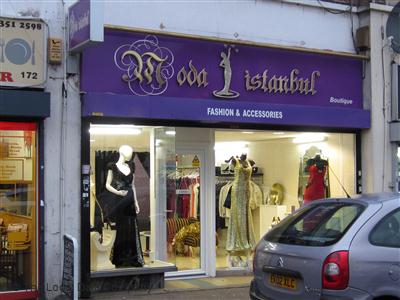
The rest of the opening scene will be set in 'Moda Istanbul Boutique’ where the location will be much clearer to infer for the viewer. We decided that this location would be suitable for our opening scene because it can give an insight into the character past or hobby, thus show the audience what are they like. This is conventional to the thriller genre as it will be an isolated setting with low key lighting, creating a threatening atmosphere. Also, often settings are used to create a specific character representation. This will make the audience feel scared because they can sense that something bad will happen through the isolation and low key light which is often evident before the climax. 

Conclusion:

      In closure, after planning all the micro elements was beneficial because it allowed us to save time while filming and make correction if needed. Also we were able to predict the response that the audience might have and realize if they were the one that we wanted. If not we were able to change it and make it more professional and credible for our opening thriller. Furthermore, the different choice we made for our thriller opening are conventional to the thriller genre because the mise en scene are allows to challenge some stereotypes which is conventional to the thriller genre. Overall, planning the micro elements was useful because we did not miss any of them.

Friday, 27 November 2015

Planning: Shot List - Miss Begum

What is a shot list? why is it important?

A shot list is schedule of all cinematography techniques that we are intended to use while filming our opening thriller. This is created after drawing the storyboard narration because it has enough details for you to use and list exactly all the frame. The shot list include angle, movements and sizes that we will use with quick notes on what they will display which is beneficial because it allows us to stay organised and film the opening thriller quickly and professionally.


The advantages of a shot list:
  • allows to structure your sequence in greater detail
  • helps the cinematographers when filming
  • helps to decide whether there is enough range in your cinematography
  • plans exactly what to use and when
  • can be used at any stage of filming
  • can be referred to when someone gets stuck
  • easy to create
  • simple to follow
  • easy to adjust if needed.

Conclusion:

Overall, after creating this shot list was beneficial because it allows us to stay organised and plan our cinematography we intended to use without repeating the same one. Additionally, it was easy to create and will be taken when filming so everything stay in order. 

Planning: Planning cinematography, sound and editing - Mrs. Quinlan

Micro elements are essential when creating a movie. This include:


  • Cinematography
  • Sound
  • Editing
  • Mise en Scene
Cinematography is categorised into three section which are sizes, angle and movement. The shot sizes help establish a setting or focus on a specific object with the extreme close up shot. Angle can help to shoe different power distributions among the characters. Whereas, movements helps demonstrate how the protagonist is feeling or where the protagonist is going with the use of the panning shot.  Sound help create the atmosphere of the scene with added or real sound. For example the use of diegetic sound of gun shot and knife stabbing makes the audience have a fearful response, whereas a cheerful soundtrack will make the viewers feel relaxed and comfortable. Editing usually compliments the sound in order to have exaggerated effects and meaning to the spectators. Editing transition help to frame the shot fluently if edited well. Also, different edits have different meanings, for example a fade to white usually connote to a dream or something happens in past which was joyful. A fade to black is usually used in trailers, so they don't spoil the narrative of the movie and also to move to another frame fluently. It is also used at the end of a movie to signify the end. Mise en Scene includes everything that is on stage including the actor. This involves costume, hair and make-up, setting, iconography, lighting and colours, body language and facial expression.

Common use of cinematography in thriller movie:


Cinematography is one of the important microelements of the film industry. For example a high angle will be used to a female victim demonstrating her weak status, whereas a low angle will be used to the antagonist to show that he in in power to kill the victim. Not only it help to establish characters but also setting and iconography. An example that will usually use in a thriller movie would be a close up of a facial expression of the protagonist to show his determination or an iconography that has significance in the scene.


This is a list of the most significant cinematography techniques that we plan to include in our thriller opening:

Close up
One of the first cinematography techniques will be a close up of a double page spread from a fashion magazine with three beheaded women. We chose to use this shot because it will allow to show clearly the iconography and the beheaded women so the audience can put their full attention on this image. Also the close up will not reveal the identity of the hidden character who stays anonymous until the end of the sequence. This shot is conventional to a thriller because often close ups are used to show something significant without revealing the main character which helps to create a buildup of tension. This close up will have an effect on the audience as they will become curious of who could commit such a cruel act to a vulnerable female models. A similar close up is used in the opening of Seven where the character crosses out and highlights different texts from the Holy Bible without revealing his identity. This technique works well in this opening because it helps to keep the element of surprise and suspense for the viewer who is oblivious to the character on screen.

Medium Close up
Another shot that we decided to use was a medium close up which will display one of the cast names as well as a red bra which will be quickly grabbed by someone’s hand off the screen. We chose to use this shot because it will allow to show two things at once, one being the credit and second being the red bra with a hand. However it will be close enough not to reveal too much of the characters identity and keep the audience intrigued. This shot is conventional to a thriller opening because often close up shots are used continuously in order to stimulate the spectator senses as well as their curiosity. This shot will make the audience feel curious because they are unable to predict what will happen as well as are not able to tell anything about what is going on. A medium close up is effectively used in the opening of Saw where the male character is exposed to the light and realizes that he is kidnapped. This allows the audience to see his fearful facial expressions but does not show the full location, leaving them in suspense.

Zoom in
We decided that we will use a zoom in when the frame introduces the iconography of the mannequin for the first time. We chose to use this camera movement because it will help to place emphasis on the mannequin and suggest that this is something significant and will play a part in the narrative or influence the character. This movement is conventional to the thriller genre because often thrillers tend to use zoom in in order to make sure that the audience will focus their full attention on the object/ person that the frame displays. I think that this zoom in will make the audience feel intrigued because they will be wondering why is a mannequin such a significant object and how will it influence the upcoming actions in the narrative. A zoom in is effectively used in the ending scene from Psycho. This is evident when the antagonist gives his final monologue and the camera zooms into his facial expression, showing that he is in fact a psychopath. This zoom in makes the audience place their attention on the character and allows to learn something about him.

Extreme Close up

Another example that we have decided on is an extreme close up. this shot will display the character's lips which are being painted with a red lipstick. We decided to use an extreme close up to display this frame because it will place emphasis on the red colour as well as help to keep the character identity anonymous. The emphasis of red will make the audience feel fearful because red connotes evil and blood which propose danger, thus creating a threatening atmosphere for the viewer who will expect something dramatic to happen. This shot is conventional to the thriller genre because usually extreme close ups are used in order to make something very significant and show it's importance in the narrative. An example of an extreme close up is used in the thriller Knowing. The dates and numbers which were circled in red marker were often displayed in an extreme close up to show their importance in the narrative as well as to show that they are dangerous, which was evident by the use of red marker. 

Low Angle

Moreover, our group decided to use a low angle when the character is partially reveled. We wanted to use this low angle because it will show this character's supremacy as well as suggest that they are in fact dangerous. This angle is conventional to the thriller genre because often angles help to establish the hierarchy and power distribution between the characters. In thrillers, low angles, are usually used to make someone look dominant and powerful in comparison to others. This angle would make the audience feel intimidated by the character who has much more authority ans supremacy over the vulnerable viewer who needs to look up to the character. A low angle is used in the thriller Wanted where the character of Morgan Freeman is displayed at a low angle to show his high status and power within his crew.

Tilt shot
We have come to the conclusion that a tilt shot should be used to fully introduce the character, starting from bottom to top, displaying his full image. We want to use this movement because it will allow to closely display the antagonist and almost evaluate his features, including costume, make up and body language which will allow to convey the character representation. This movement is conventional to a thriller genre because often tilt shots are used to introduce a significant character who will have a massive impact on the narrative. This tilt shot is likely to make the audience feel shocked realizing that this is a man who wears female clothing but at the same time they could feel fulfillment because they finally got to know who the anonymous character is. An example of an effective tilt shot is used in the opening of a mystery thriller Chloe, where the tilt shot reveals one of the main characters, allowing the audience to see her body language and costume.

Long shot

Lastly my group and I have decided to use a long shot at the end of our sequence. This shot will display the silhouette of the antagonist walking out of a dark yet unknown location. We want to use this particular shot to end our opening because it leaves the viewer with a cliff hanger. Additionally the viewer will be in apprehension because they are unaware of what the antagonist actions, are and where did he go. This shot is conventional to the thriller genre because often long shots are used to allow to the audience see full body as well as surroundings. Because the setting is very dark the audience will be able to infer that this character has evil intentions. A long shot is utilise towards the end of thriller Seven, where Somerset runs towards Mills and the antagonist tell them whats in the 'box'. That shot allows the audience to see a full body language and the deserted location giving the audience some information in the scene.

Common use of sound in thriller movie:
Sound is significant in any movie genre because is set the mood and the atmosphere of the scene and movie. In a thriller movie we will usually hear the on-screen sound of the female victim screaming for help, also the sound of footstep and explosion to create suspense and excitement to the audience. Another example would be the eerie soundtrack to create anxiety and make the viewer feel uncomfortable, which is conventional to a thriller movie.
This are the sounds we intend to use in our thriller opening:
There will be non- diegetic/ contrapuntal sound of a ballerina box used right at the beginning of the opening credits. We chose to use this because it will not match with the dark atmosphere of the scene, making the viewer confused and intrigued. This will also express the child like innocence behind the story but how much damage obsession and hatred had caused. This is conventional as this kind of non-diegetic sound can give a background story and additional knowledge for the viewer. From this the audience will feel insecure because the simple tune will have a haunting effect giving this scene a fearful atmosphere. The innocent track will be then replaced by growing eerie non diegetic sound.
Non-diegetic sound of an eerie metallic sound track will then be used throughout the opening scene, however it will be manipulated by pitch, volume and pace in order to make the sequence exciting. We chose this because eerie metal music will support the thriller genre, already signifying the audience what they could expect from the narrative. This kind of music could also scare the viewer which is the outcome of a thriller. This is similar in the opening of Seven where the non- diegetic sound changes in volume through out to create thrill as well as tension for the viewer.
An increase of tempo of the non-diegetic sound track will be used when the unknown character in the opening scene picks up the red bra while typography is being presented. We chose to increase the pace in order to place emphasis on this iconography. This is conventional to a thriller opening scene because it shows the audience that the red bra has a significance to the whole film and gives them connotations on what to expect. However, could make the audience insecure because such iconography can cause controversy as knowing that this could have a significance in the film which could show that this thriller will be touching upon sensitive topics.

Furthermore we intended to use on screen sound of the antagonist footsteps, while he walk and kick a red lipstick demonstrating his disturbed persona. While he walks we will see his high heels boots taking heavy steps, making the viewers feel frustrated as his identity is not reveled. This is conventional to the thriller genre because it build a feeling of suspense, creating a chilling response.

Lastly, we plan to use off screen sound of a squeaky scratching while the opening credits are shown. This will create a chilling response from the spectators as they do not know what to expect and where the sound is coming from, therefore making them having a fearful response which is conventional to the thriller genre.    

The use of these sounds will help to establish the genre of the film as well as help the viewer to infer the character’s role within the narrative because of the way that he has been presented. I think that the use of the mild and innocent ballerina box music in contrast of heavy metal is effective because it shows the change the character underwent and how much hatred he has gained from being completely vulnerable and innocent.

Common use of editing techniques in thriller movie:

Editing as any other micro-elements is essential when creating a movie. In an action-thriller movie face pace editing will usually come to use when a chasing or a fight takes place to have a major impact with audience. Reaction shot are mostly used in horror-thriller as well as in the audience when they are scared by the unexpected frame and sound that are shown in the scene, which are conventional to the thriller genre.


These are the editing techniques that we intend to use:

Cross-cut: One of the first editing technique that we chose to include was the cross cut. This editing techniques is mostly used in our opening thriller which will introduces the opening credits, then cross-cut to another frame showing an Elle magazine with the front page of the model cuts out, and then again back to the opening credits of newspaper cuts-out. We choose this technique because we want the scene to be chaotic and make the audience feel intrigue and create mysteriousness. This shot is conventional to a thriller genre as it introduces two setting without confusing the audience. We decided to create mysteriousness throughout the opening thriller, thus we though that this editing will be suitable for this shot.


Dissolve: Furthermore, a dissolve will be used when the opening credits of the cast member are shown with the iconography of the red bra, then a dissolve is put in place. This is because is the first iconography where the audience are able to make assumption about the character, thus the dissolve transition will focus of the iconography and make the audience feel curious and want to find out more about the character. This edit technique is conventional to a thriller movie, because it introduces another frame fluently, or sometimes makes the scene looks chaotic if is framed well. This will make the audience engage and want to find out more what will happen next.


Jump Cut: Additionally,  a jump cut will be utilize when the mysterious character begin to wear a tights. This is because we don't want to make the audience feel bored or show them how to put on some thighs, but to save time while filming and also make the scene look disturbed which will make the audience feel curious and anxious, as the identity of the mysterious character in nor revealed. This editing technique is conventional to a thriller genre because it allows more action to take place in a short time making the audience paying attention. Also is a technique that add distortion and negativity to the frame which it's what it were looking for.


Slow Motion: This slow motion technique will be combined with the tilt shot when the mysterious character wears a lady dress. The slow motion will focus on the action that is taking place, while the tilt shot will partially shows the identity of the mysterious character. This will make the audience feel interested as they may think that he character is going out to have fun. This is a conventional editing techniques for the thriller genre because it helps emphasis in a specific object or character. This will make the spectators feel intrigue and keep them watching.


Fade to Black: Lastly, a fade to black is portrayed at the end of the scene. This is because we want to demonstrate that the opening scene is come to an end. This will leave the audience questioning what will happen. Also as black as connotations of death and misery, the audience are more likely to think that the character was the antagonist and is ready to commit negative actions. This will makes the audience feel frustrated as they do not know what were his intentions and left with suspense which is conventional to the thriller genre as the theme of mystery is presented.


Conclusion:
In conclusion, after looking all the different micro elements that we intentionally want use we are more organized and know how to make the audience feel. This important because if we use the unconventional micro elements we will not receive the right audience response therefore lose our audience. Lastly, we were able to see which techniques we were using without repeating the same which was beneficial as the audience will not get bored.

Wednesday, 25 November 2015

Planning: Character Representation - Mrs. Quinlan

What are character representations? Why are they important?

Character representations are the specific trait of the individuals that create his persona, often based on stereotypes. Each character has specific connotations and representation that define him/her and his/her role. This allows the audience to have different response and from the role that the character is playing. For example a protagonist from a thriller movie will wears a black and white suits, the white will connote to his good intentions and good looking persona whereas the black will connote to his mistakes. Furthermore, a female victim will wear white clothing. This is because it portrayed her innocent and fragile persona. Lastly, the antagonist will always wears dark clothing to represents his evil intentions and psychopath persona. Thus character representation are important because it differentiated each character from one another, which allows the audience to have different response and meaning to it.

Our character representation:


Name: Unknown. - We chose to keep our character anonymous because it will create more threat around their character as well as hinting the viewer that this is someone they should be afraid of because they have something to hide and are a secretive person that we should stay away from in order to avoid trouble.

Character Role: Antagonist- we decided that this character will be an antagonist. This is because they are very secretive and try to hide themselves away from everyone, which are typical traits of an antagonist as often someone tries to hide when they’ve done something wrong, as well as they are capable of evil acts and intentions. For example, beheading models on magazine covers is a brutal act, proposing that this person intends on hurting these females, which immediately makes him look like an antagonist.

Gender Stereotype of Role: the character is a male, which the audience learns towards the end of the sequence. Stereotypically males are the antagonists because they tend to be represented as the dominant gender which has power over the subordinate females. Therefore making our antagonist a male will have an impact on the audience who will find this character much more threatening and superior. Additionally, beginning a thriller opening with a male antagonist will make the audience lose their hope because they are unaware whether there is a protagonist to safe a day which will cause extra audience response.

Age: 30-35. - This is because stereotypically men at this age are usually settled and married, having a family and leading a good life. However by juxtaposing this idea the audience will see that this character is corrupted and leads a completely different life; proposing different morals. It displays an unidealistic reality which is often explored in the thriller genre. This would make the audience cringe and feel intrigued with the unfamiliar image.


Costume: The character will be wearing black tights with ripped holes in them in order to show that he is trying to be attractive and sexually appealing. The ripped holes on the other side will metaphorically show that the character is somehow missing his personality and has unfulfilled life and desires. However the holes can show that putting these thighs on was an effort because they do not fit him at all suggesting that he feels like he doesn’t fit in society, as well as has some psychopathic tendencies because of lack of respects and care for his body and appearance. This would make the audience feel pity towards him because it seems like he is an unhappy and disturbed person who needs a health care professional. On the other hand knowing that this is someone who is capable of so much hatred and brutality towards the subordinate gender shows that this is a dangerous character that we should beware of and stay away from. Additionally, the character wears a bright dress which seems to be too tight for him, making the audience feel disgust towards him because they feel like this is an obscure obsession or even perversion towards women. The dress will look untidy too, again reinforcing that the character doesn’t care for himself thus making the audience feel uncomfortable about the whole idea of a man dressed in more feminine way.

Hair and Make-Up: we plan to place red lipstick and dark eye shadow on the antagonists face. This is because we want to reinforce this idea of not keeping care for himself because if makes the whole atmosphere less comfortable for the viewer. Additionally this make up will then be heavily smudged which will show the carelessness as well as give the character an evil and psychopathic look. His hair should be messy to reinforce the idea of carelessness and make him look even more threatening and capable of any deed; making the viewer feel insecure and scared about their safety.

Body language and Facial Expression: The character will have a rough body language and movement throughout the opening to try to show his dominance as well as emphasizes that he is in fact the antagonist that we should be afraid of. The sharp movement could emphasize on his psychopathic personality and carelessness towards other beings and himself. It will also help to show his neurotic personality which will make the audience feel uncomfortable knowing that this is an unstable character and partially cannot control himself. His facial expressions will be full of hatred and anger, especially when looking at the beautiful female models on the front covers of fashion magazines. This will display the true loathing towards the opposite sex, making the audience (especially female viewers) insecure because they will realize the strong feelings that the antagonist has for the female models.

Represented as: psychopathic through his destroyed costume, hair and make-up. This is because all these aspects will look undone and the idea of walking around in this state and manner seems unacceptable and silly on the antagonist’s behalf. This will make the audience feel afraid of the character. Moreover he will be represented as an antagonist because of the implication of beheading young women which is a cruel act and only an antagonist would be capable of that thus making the audience feel afraid of him.

Role within the Narrative:  He is an antagonist because his role will evoke feelings of disgust and loathe from the audience due to his acts. This will be evident when he seems to plan on beheading models and seem to have so much hatred towards them. We then start to feel disturbed when he picks up the red underwear because it seems controversial and disturbing.  However, when he starts to dress up and smudge his make up the audience will feel confused because they start to pity him a little, as he seems to need urgent care but isn’t going to receive any, which leaves them in dilemma. At the end the audience are left with this dilemma because the character walks out leaving the viewer with wonder.

Conclusion:


In closure, after completing this task I am more aware what our main character will look like and his persona. Thus while filming we have to be very careful to bring the right equipment, costume and make-up for a real and professional character. If these representation are wrongly done, the opening thriller will not look professional and credible as we were expecting, and also we will be in risk to lose our audience caused by the inaccurate representation. We chooses to represent our antagonist this way because it's original, thus making the viewers more intrigued to the narrative of our thriller opening. It's debatable that our character is both conventional and unconventional. Conventional because having a different antagonist is often the case, whereas unconventional because of the exaggerated representation of feminism.