Thursday, 8 October 2015

Research: Age certificates - Mrs. Quinlan


What is the role of the BBFC and why are they important?


The 'BBFC' stands for British Board of Film Classification, founded by the film industry responsible for the age certificates classification and censorship within the UK. This is applied on classifying videos, DVDs, and some video games. The BBFC serves a social function in society which is to advise and protect viewers from moving images. It's also provide public information that empowers them, and parents, to make appropriate viewing decisions for themselves and those in their care. They help to protect vulnerable viewers and society from the effect of viewing potentially harmful or unsuitable content while respecting adult freedom of choice. Moreover, the age certificate are provided by the BBFC and this is judge depending on the content displayed, which is made in hope to protect all film viewers, as certain viewing materials is only convenient for a certain
age group.

These are the different categories of age certificates:


The 'U' symbol stands for Universal. A 'U' movie should be appropriate for the younger audience of children aged four years and older. It is impossible to predict what might upset any particular child, thus movie classified with 'U' should be set within a positive moral framework and should offer reassuring counterbalances to any violence, threat
or horror.


Example of movie:


The 'Monsters University' movie is an example of a 'U' film which is appropriate to the younger audience as the movie contain themes of friendship and school. Additionally, it teaches the infants to accept their unique personality and to not be afraid to be yourself, which is a very important lessons in life. Also because it's an animation which the younger would appreciate, as they can imagine a new world and escape from reality. Thus, the younger audience can relate their life school to this movie which is conventional as the audience will be entertained by the characters and the powerful relation of friendships that is shown.


The 'PG' symbol signify Parental Guidance. A 'PG' should not disturb a child aged around eight or older. So, parents are advised to consider whether the content may upset younger or more sensitive children. As 'PG' has a general view, there will be some scenes that may be unsuitable for the young audience.


Example of movie:


The 'Jaws' movie is a case of 'PG' example which may disturb the child, as the theme of death is presented which include blood and pain in the sequence, thus it's recommended that these sequence are watched with an adult so the children might feel more secure and safe. However, if the children aged eight or younger, is really sensitive it's advised to change the scene like putting forward, so the kid won't be effected or feel upset.


The 12A category exist only for cinema films rating as well as on DVD. No one younger than twelve years may see a 12A film in cinema unless accompanied by an adult, and films classified 12 are not recommended for a child below twelve. An adult may take a younger child if, in their judgment, the film in suitable for that particular kid. In such circumstances, responsibility for allowing a child under twelve to view lies with the accompanying adult.


Example of movie:


The 'Everest' film is a good example of a 12A rated movie. The narrative drama is about a group of expeditionaries who attempt to climb the Mount Everest which contains scene with  moderate threat, injury detail, upsetting scene that may effect the young individual viewer, or perhaps the young spectator could imitate the themes of threat in real life with innocent children which is not acceptable, thus is advised to bring a parents with us to watch the movie so the adult will supervise the young children and explain the good and bad deeds. However, there are also themes of friendship and team work which is suitable for children aged 12 which they can relate on.


Why the 12A was created:

The 12A certificate was created in 2002 after the release of the first Spiderman movie. The BBFC decided to give it a 12+ rating because of the brutal fight scene between the protagonist and antagonist, Also because there is a scene where the antagonist talk to himself, showing his psychopath persona, which was controversial. However, Spiderman is an popular hero which has influenced most kid's childhood. Therefore it was unfair to children agend under twelve not to see it. So the BBFC create a new rating which state that kids under twelve years old are allowed to see a 12A movie only if is accompanied and supervised by an adult.


The 12 category is awarded where the material is suitable. In general, only for those aged twelve years old and over. Works classified at these category may upset children under twelve, or contain material which many parents will find unsuitable for them. The 12 category exist only for video works, no one younger than twelve years may rent or buy a 12 rated video work.


Example of movie:


The 'Non-Stop' movie is an example of a 12 age rating movie. The narrative talks about a routine commercial flight. The protagonist begins to receive threatening texts from an unknown character, promising to kill one person every twenty minutes, until $150 million is transferred to a specific account. . Here we can see that the genre used is mystery, drama and action which include the theme of threat with moderate violence which will be suitable for children aged 12 and over as they are seen more mature and experienced and they will also be entertainment by the action taking place in the scene.


A film classified 15 usually have some controversial elements, but on the whole, there shouldn't be any discrimination, drugs may be touched upon, but not promoted, violence can be displayed but cannot dwell on injury and pain, there may be use of frequents bad language and nudity can be shown, but only were is appropriate.


Example of movie:


The 'Annabelle' movie is a thriller-horror film. The narrative is about a posses doll that cause trouble and terror not just the character, but also the audience. This is because this movie is aged 15, as the viewer will be physiologically effected, which is not suitable for children as they are easily believer in supernatural events. Also the theme of violence and the iconography of blood is shown is a inadequate way, which will disturbs the younger spectators. However, teenagers that like to be thrilled and terrified by unnatural events, are more than welcome to watch horror movie that contain bloody violence and terrifying scene.


Film rated 18 are for adult. This category has the highest age rate possible and therefore has the most freedom when displaying various contents and scene. Usually, movie rated 18 will displays explicit topic such as extreme violence, strong language, rape and torture. Also it can shows illegal drugs use and sexual activity.
However, people aged 18 above can legally choose what to watch as they are mature and responsible.


Example of movie:


'Knock Knock' is a movie rated 18. This is because of the strong language, strong sustained and sadistic threat, sex activity, sex references and nudity. The narrative is about the protagonist being terrorized in his own house by two young women. This is a good example of a 18 age rating, as people aged under 18 may find these contents too controversial and disturbing. Also people aged above 18 are more likely not to follow these situations and actions taking place a movie as they are more reliable and full-grown.


Conclusion:


In closure, learning about the BBFC age rating, was beneficial to my understanding because I have learned how important these establishments are during a production. Also I have learned which themes are suitable to which category, which helped me to consider what topic to include in my opening thriller without being too controversial. For my opening thriller I guess that I will use the 15 age certificate. This is because I would like to show the theme of violence and threat, without being too disturbing which is conventional to a thriller opening and suitable for the target audience that i would like to demonstrate.

Monday, 5 October 2015

Research: Thriller Openings - Mrs. Quinlan

What are the conventions in an opening thriller movie?

Thriller opening are set at the beginning of the film which usually displays credits and introduce characters and the movie. This will help the spectator to infer the genre of the film by identifying common codes which will suit the thriller genre.The conventions that we will usually see in an opening thriller scene are non-diegetic sound, low key lighting, fast pace editing and iconography such as blood, gun, rope, and cigarettes. These conventions are typical to an opening thriller because it build tension and excitement to the audience as they will be more interested to watch the movie. An opening thriller it's important because it helps the viewers to familiarise with the movie and help to establish the possible narrative and to acknowledge the film genre as it intrigue the audience and make them curious which keeps them watching. The propose of opening movie helps the audience to establish the genre and make them choose if they  wants to watch the movie or not. Typography is also seen at the begging of the thriller sequence to either represent the genre or just deliver the significant film information. These are some opening thriller that I will be analyzing:

SE7EN ANALYSIS:


In this opening thriller we can see that typography is being utilize through the progress of the opening. The typography used is hand written, coloured in white with a black background to make the text stand out. The hand written text looks like scratches suggesting the mystery and uneasiness of the film. The font used in the title are distorted and edgy representing the psychopath mind of the antagonist or, perhaps, the stressed mind of the investigator, which builds tension and suspense to the audience.

Furthermore we can see that non-diegetic sound of a soundtrack used, to make the scene look creepy and scary. The soundtrack builds up as the scene develops, which sound eerie and sinister which construct tension and anxiety to the viewers. On top of that, we can also hear the off-screen sound of a woman screaming which is mixed with the sound of the soundtrack which create the audience to have a feeling of confusion yet a feeling of frustration.

The iconography used are books, files, papers, and photos, which could be associated that someone is investigating about a case, As the iconography are captured with stock-still close up, the audience is unable to see who is doing all these research, which create a feeling of suspense as it makes the spectator wonder who the character is. Another important iconography in ht escene is the razor blade used to cut out the fingerprints of the hands. This highlights that the antagonist is really clever and smart because when he kills victims his track and proofs would be unable to be explored. This also suggests that the antagonist doesn't have a specific identity which is conventional to a thriller movie as the villain's individuality is not presented leaving the audience in doubt.

Lastly, the editing used, in this opening, are montage, fade to black and jump cuts. The use of the montage illustrates different picture of the step the investigator or the psychopath is making for the victim. The detective is trying to find out the plan the antagonist makes for his victim to solve the case, whereas, the maniac is making other projects for the other victim to kill. Additionally, the fade to black is used to introduce the credits of the movie, and shape the opening seen really disturbing. Moreover, in the opening it's noticeable that a red filter is used to connote danger and blood, which makes the spectators feel frightened and excited. Also we can see a variety of jump cut and low key lighting that has been used. This suggests that the movie is psychologically threatening which is conventional to a thriller movie.


THE USUAL SUSPECTS ANALYSIS:


The opening of this thriller start with the use of iconography of matchstick igniting with fire, that makes the crowd witness that the character using the iconography will die the same way as he ignite a rope full of kerosene, suggesting that he wants to suicide himself. Furthermore, we can see that different close up are used to focus on the rope blazing and also see a dead body suggesting that the character who wants to suicide himself murdered him, and immediately, we can see that the cord on fire is extinct with the urine of the mysterious character that is introduced. This makes the audience build a sense of anxiety as they don't know who the character is and his intention.

 As the new character is presented, we can hear that non-diegetic sound of a soundtrack is applied. The music that we can hear sound eerie and dark to demonstrate that the character has evil intentions, and makes the audience have fear onto him. Moreover, as the characters conclude the conversation, the enigmatic character pull out a gun which he will use to kill the victim. As he shoot the vulnerable character, off screen sound and straight cut, of different places, are been used to emphasise the isolated setting, which illustrates the viewers that even if the victim will beg for help none will hear him. Additionally, slow motion is used when the villain drop the cigarette to make the location explode and erase his tracks, which makes the audience witness that he is clever and intelligent. Also, the non-diegetic sound becomes louder and intense to represent the villainous action of the antagonist.

In addition, we can see that zooming - in has been used to focus on the rope symbolising the death and unpleasant actions, also  through the all sequence we can see that low key lighting has been used to create a sense of suspense and tension which is conventional to a thriller opening as the theme of death and kidnap has been practiced.

Lastly, we can see that typography hasn't been put to use which is unconventional to a thriller opening as people are expected to see the name of the following character that take place in the movie. This build tension and anxiety as the audience will not know which characters are starring in the movie and what role they will have. Also the title, and director's name are not presented which makes the audience feel uncomfortable as they cannot infer what genre the movie is.


WATCHMEN ANALYSIS:


The opening of this thriller start with the use of on-screen sound of adverts and news on the television. As the character changes channel we can see that he is relaxing himself and enjoying watching the TV, but as we can visualize the use of low key lighting and the shadows behind the door, the audience can witness that something dangerous may occur. As it happens, we can see that slow motion has been used when the antagonist breaks the door to introduce himself to the victim, and also a reaction shot is applied when the victim stands up and react towards the disturbing action of the antagonist. As the scene proceed, the audience can suggests that a fight will take place in the apartment which build excitement and tensions to the viewer. From the costume of the villain, which is black, we can submit that he has evil intention, also we can't see his face which propose that he is hiding his identity to make the audience build a sense of wondering and unnatural feeling. As the vulnerable character try to defend himself by throwing the cup to the antagonist and reach the gun, we can see that the enemy is agile and skillful as he rapidly reach the victim and throw away the iconography.

Furthermore, fast pace editing is manipulate with the contrapuntal sound of the advert, which construct the spectators to feel confused yet engaged. This is because the two ideas juxtapose each other, which build thrill to the audience. Moreover,the audience can view that a panning shot and slow motion is being used, again. The slow motion help emphasizes the painful action of the antagonist, whereas, the panning shot is used to demonstrate the direction the victim is taking place. As the victim is throwaway in the other half of the room, we can see that he use a knife,as iconography, to hit and damage the antagonist, yet this action is useless as the villain is skilled and expert to protect himself by dodging him, which makes the audience have sympathy for the weak character.

In addition, slow motion is used when the villain pick up the victim to emphasizes the strength and powerful ability of  him, also to focus onto his next action of death for the victim. As the character is throw out the window we can hear the on-screen sound of the glass shattering, which makes the spectators realize the tragic death of the victim, how is life is shattered in pieces. Furthermore, as the victim falls onto the isolated street with low key lighting, we can also see the iconography of a smiley badge dropping too. The smiley face could symbolize the interior aspect of the victim, or perhaps, the dark humor aspect of the human conditions as he also have a drop of blood to it. This makes the audience wonder about the smiley budge and his significance, which build a sense of mysteriousness and anxiety.

Lastly, we can see that typography hasn't put to use which makes the opening unconventional as the viewers can't predict the genre of the movie. However, from the scene we can suggest that the narrative is based onto the theme of revenge, kidnap and death which are conventional to a thriller movie.


ARLINGTON ROAD ANALYSIS:


The opening of Arlington Road's scene, start with non-diegetic sounds of beats which build suspense and tension, as the soundtrack is intense and dark, which construct the audience to have a feeling of speciousness. As the scene develop, we can see that two character are established. The male protagonist wears a white shirts which include pureness and good intention, whereas, the child in distress wears a grey jumper covered with blood, symbolizing his innocence and vulnerable persona yet his serious situation. This makes the spectator wonder what happen to the child and have sympathy for him.

Furthermore, as the protagonist scream for help a 360 degrees rotation is being applied, to emphasizes the critical situation of the child, also, it could foreshadows the unstable life of the boy. Moreover, fast pace editing is utilize when the protagonist rush to the hospital to save the boy's life, which makes the audience feel agitated and anxious, as the soundtrack builds up, becoming louder and deep.

Additionally, as the characters reach the hospital, we can see that a low angle with high key lighting is practiced to represent the protagonist as a God like figure. as he is trying to save the life of the innocent boy. Also the use of the tilt shot, demonstrating the light on, could symbolize that the kid is reaching heaven. Therefore, it makes the protagonist feel worried and inpatient as the little kid may die, his body language is weak and tense, as his facial expression, which makes the audience witness that the protagonist made a bond with the child in distress.


Lastly, the typography used are really effective, the sequence start with relative harmless home location which are footage and manipulated into something more twisted and alarming with also, the help of the non-diegetic soundtrack that makes the scene look creepy and evil. The typography are in black and white, which suggest the theme of good vs evil, which can be related to the narrative of the movie. This is conventional to the opening thriller scene as the audience can make assumption from the beginning of the movie which build the sense of anxiety and suspense through out the movie.


THE STEPFATHER ANALYSIS:


The opening of this scene, start with an establishing shot of the alley with the use on non-diegetic sound of a soundtrack that sound suspicious yet enjoyable. The setting shows a pleasant neighborhood, which makes the audience relate to it, making them feel curious what will happen next, as they don't expect to see nothing negative yet. As a crane shot is put on use to establish the house the sound become louder and tense which makes the viewers witness that something evil has occurred, or may occur, in that specific setting. As we are displayed to the inside of the house we can see that a character is introduced. His hands are covered with blood, and his costume are casual clothes which makes the audience witness that he is the psychopath antagonist. As he throw his bloody clothes in his suitcase, the spectator can foreshadows his disturbed and unorganized persona. which makes the audience witness that he is a psychopath murder.

As the scene proceed, we can see that the antagonist take a shower to wash away the blood and be presentable when he will leave the house. He cuts his hair and beard to have a new identity, he also put new clothes on, which is a suit, which makes him look as a business man in higher class, and the non-diegetic soundtrack becomes louder and menacing as he looks himself in the mirror. This represent him as an evil lunatic, which makes the audience fears him.Furthermore, we can see that a panning shot is put to practice to emphasizes the picture of a happy family, also the soundtrack becomes soft and holy demonstrating how joyful the picture are.

Additionally, we can see the character taking steps to go out of the house and the soundtrack becomes again creepy and eerie suggesting that he has an evil project that he is planning. We can also see that back lighting is utilize to see the silhouette and makes the character seen demonic when we see him taking a toy and put it in place, which proposes that he is more bothered about objects than humans life, which shows is psychopath nature. Therefore, when we notice the villain is going downstairs, the soundtrack sound like an alarm beeping, as he go further the sound becomes louder, until he reaches the ground floor and a louder and agonizing sound take place, which introduces all the dead bodies of the victims, which makes the audience have sympathy for the family and fear for the psycho persona of the villain. In conclusion, as the antagonist leave the house, his body language and facial expression are normal and joyful as for him is a day like others. He even whistles, as the life of those children and family has no significance for him, showing that he has no compassion and sympathy for none. This is conventional to a thriller opening as it makes the audience feel thrilled and wonder why the antagonist has done that, which will make the viewers want to watch the whole movie.

Lastly, the typography used are red and bold symbolizing the blood spreads over the face and guilty hands of the psychopath. Also, the typography is edgy and the font is creepy signifying the harsh and toughness of no compassion towards innocent people, which is conventional to a thriller opening as the audience can make assumption before the movie begins, and interpret if they like the movie or not.

Conclusion:

In closure, my favorite opening scene is Seven' because I like the idea of all the straight cut and use of sound in the scene which makes it conventional to a thriller movie. Also the use of the iconography of picture and different research made, makes the audience wonder about all the cases, which is conventional to a thriller opening. I also like the unexpected scene of The Stepfather, as it really effective and makes the audience thrill. For my opening thriller, i was thinking to use low key lighting and also an excellent typography that will suit the thriller genre to make the scene conventional and professional as possible. I will also take the idea of someone cutting piece of papers and introduce my thriller opening title by it. This will create suspense to the viewers as they do not know who the character is.

Thursday, 1 October 2015

Research: Cinematography - Miss Begum

What is cinematography? 

Cinematography is the way in which the camera is used to communicate meaning through the use of angle, movement and shot sizes that are manipulated to make good effect on for the audience which will make them feel excited and thrilled, depending on the scene. Cinematography is categorized into three different sub-techniques which are shot sizes, movement and angle. 

Shot Sizes:

Extreme close up – an extreme close up is used to emphasis the emotion and detail of the image to allow the audience to have a clear understanding. Also is used to maintained focus on that particularly image. 


Close up – a close up is a shot where you can see the whole face. This allow the viewers to emphasis toward the facial expression of the character and emotion. 


Medium close up – a medium close up is used to show action and facial expression so it have its own balance. This allow the audience to understand the action of the character and whats is going on into the scene.


Medium shot – a medium shot is used to demonstrate the facial expression, the action and the clothes of the character to allow the audience to see and emphasis the type of character such as protagonist or antagonist. It doesn't mainly focus in only one thing but more, so the audience will have a clear understanding.


Long shot – a long shot is used to indicate the full body language of the character, also it shows a bit of surrounding to allow the audience comprehend the action and location of the scene. 


Establishing shot – an establishing shot is usually used at the opening of the scene to represent the location and emphasis the possibility of danger in that situation. 


Over shoulder shot – the over shoulder shot is usually used during a conversation so they will be able to see who is speaking during the conversation and who is listening, which will create more understanding to the audience.


Two shot – the two shot is typically used during a discussion to show how the characters react on the situation they are put on.


Angles:

High angle – the high angle is mostly used to make the character seen inferior and powerless. This angle is usually used when the character is in trouble or oppress by more dominant character.


Low angle – the low angle is used to make the character seen vigorous and in control of the situation. This angle is typically used when the character is dominating and leading the other character.


Canted angle – the canted angle is when the camera is oblique and at a slight angle. This makes the scene look confused and chaotic.


Movements:

Panning – the panning shot is when the camera is moving across this allows the audience to fallow the character in the way he is going.  

Tilt – the tilt shot is when the camera is moving up and down which it introduce the audience a powerful character. 

Crane – the crane shot is when the camera move in a flexible way which makes the audience have a better and clear of the location of the scene. 

Zooming in/out – the zooming in shot is used to make the audience emphasis about this particular situation whereas the zooming out.

Hand held – the hand held shot is when the character is holding the camera, this is usually used to create excitement and chill to the audience. 

Point of view - the point of view is when the audience see what the character is watching which makes the audience feel engaged and anxious. 


THE GALLOWS EXAMPLE (HAND HELD AND POINT OF VIEW):

In this video it's noticeable that hand held movements it being utilize. This movement allows the audience to put them self in the characters shoes which create adrenaline and excitement as the audience are experiencing the events that the characters is having to deal with. Also we can see that point of view is applied in the scene to make the audience see what the protagonist can visualize which build suspense and frustration to the spectators. This is usually used in horror-thriller movie as the movements creates more frightfulness and anxiety response from the audience.


PANIC ROOM EXAMPLE (CRANE, TILT, PANNING AND ZOOMING):

In this scene it's visible that the main movement is the crane shot used. This allows the audience see where the action is taking place clearly, and gives the scene have a fluent look. Furthermore, a zooming in is used toward the main door showing a characters breaking the handler of the house, which make the audience witness that he is the antagonist ready to kill someone. However, as he is unable to break the handler he try to attempt another way to enter inside the house. This is shown when he walks towards other doors with a panning shot, as he goes upstairs a tilt is shown the demonstrate where the antagonist is going. This allow the audience to follow the steps the antagonist is making to engage the viewers and make them feel excited which is conventional a thriller movie as the theme of mystery and robbery is presented.


SIN CITY OPENING SCENE ANALYSIS:


From the 'Sin City' opening scene we can see that different types of cinematography techniques has been used. Firstly the audience is introduced with an establishing shot slightly mixed with a high angle when the female character is walking on her way. The establishing shot help the audience emphasis that she is in a rooftop which suggests that the character wants to be isolated and in peace. Also from her red dress the audience can witness that she is a target. The slight high angle helps the audience understand that she is inferior as something negative will happen which makes the audience feel nervous for the female victim's life. Furthermore, when the male character is introduced offering the victim a cigarette, a close up is applied to focus on her facial expression. As she smoke, her eyes changes colour as she inhale the smoke. The green color in her eyes suggests toxic which foreshadows her death. As the scene progress, a slow zooming in is used to put the spectator's concentration on the two characters. This makes the audience infer that they both have feelings for each other. Lastly, a tilt shot is utilize when the antagonist kills the victim. This movements shows that even if the antagonist murder the victim he still feel sorry for her, this can be also justified by the use of an aerial shot demonstrating the antagonist holding the dead body of the female characters. This help emphasis that he doesn't want to let go her, which makes the audience feel curious as they do not know why he killed her. This opening scene is conventional to a thriller genre as the theme of death and mystery is presented.


Conclusion:


In conclusion this research was useful because I understand every cinematography techniques in detail. For my scene I will be using different shot to make the sequence look professional as possible. The shot that I will mostly use are establishing, long, close up and medium shot to create meaning and response from the audience, I was also thinking about using canted and low angle to make characters seen powerful yet in distress,I might also use point of view and crane shot to create anxiety and put the audience in the characters's shoes so they will be more likely to be more effected.

Wednesday, 30 September 2015

Research: Mise en Scene: Costume, Hair & Make-up - Mrs. Quinlan

Why is costume, hair and make-up important?

Costume, hair and make-up are part of the Mise En Scene, and are essential feature for the appearance of the character because the audience will determinate age, social status, personality, nationality, dislikes and likes before the character says a word. Costume is an important fact of acting, which shows the character interpretations, moves and speaks with the,continually, attentions of the spectator. Costume also helps to establish the relationship between characters to the viewers which means that the audience can reflect them self in stories being exaggerated in films. Moreover, costume, hair and make-up bring effective meaning in movies if well manipulated and developed, it then means that it transform all subjects and objects into new signs. For example, in a crime-thriller the protagonist will usually wear a police outfit, whereas is a psychological thriller the protagonist will wear a suit to represents his intelligence. This is because it follow the trend of the sub-genres and allow the audience to distinguish what character is the protagonist or antagonist.


Spectre: The character in this frame is the protagonist, which can be identified by his costume, hair and make-up. The protagonist wears a white smoking dress with black trouser. The white connotes to his good intention and purity, also to his moral persona which makes the audience have faith onto his action. His black trouser connotes to his professional and skilful personality as he have to protect the civilians by using guns and other gunfire. The protagonist does not wears any make-up, but his hair are neatly laid down which creates a sense of superiority and good looking to his character, it also shows that he take care of himself, therefore the audience are more likely to put their trust onto him. The suit that the protagonist is wearing is conventional to a thriller genre because it shows the spectators that they are intelligent and smart.


Fast & Furious: This character is an anti-hero which is presented by his costume. The black vest has connotations of evil intentions, also the black colour is a symbol of authority and power, making the character seen dominant and powerful. Moreover, we can see that the character wears a necklace with a cross, showing that he have faith onto God yet he still makes poor decision on breaking the law. This allows the viewers infer that although he is an anti hero he will still fight for justice yet causing problems in society. The vest that he is wearing expose his muscles, which makes the audience have faith onto him because they can assume that he is strong and capable to fight the villain strategically. The character has no make-up and hair, which is conventional to a thriller action as it shows his masculine nature.


The silence of the lambs: The character portrayed in this still frame is an antagonist. This can be assumed by his costume hair and make-up. The character wears a dull brown mask with bars which can be associated to his psychopath persona, which makes the audience infer that he is trapped. He also wears a bright orange clothes that suggest that he is in prison because his evil action that he accomplished. Furthermore, we can see that the character does not wear any make-up, but by his hair the spectators can assume that he does not take care of himself, which is conventional to thriller genre as the antagonist is unattractive and looks evil.


Se7en: The character from this shot is the female victim, which can be assumed by her costume, hair and make-up. The female character is wearing a white shirt which allows the audience assume that she is comfortable ans secure. The white colour connotes to purity and innocence which can be associated to the vulnerable and fragile personality of the female character.  Furthermore, we can see that the female victim has blonde hair which connotes to holiness and a easy target for the antagonist to kill. Lastly, we can see that the female character wears a little make-up to to show that she take care of herself, which makes the audience have less hope for her to survive when the antagonist will attack her. This is conventional to a thriller genre as the victim is shown vulnerable and fragile.


Hanna analysis:


From this action - thriller scene, we can see different characters representation. Firstly, we can see a teenage girl sitting next to another woman, and from her hair colour, which is blonde, and the pale face the audience can witness that she is pure and innocent. Also, from her pale face we can suggests that she is holy as she show her true female nature. However, we can see the she is wearing a prisoner outfit which foreshadow her as a criminal which makes the viewers, immediately, infer that she already broke the laws or, possibly, that someone kidnapped and trapped her. This will make her seen as a anti-hero as she will kill innocent people and get revenge. 

As the scene proceed, we can see that another female character is introduced and we can assume that she is the antagonist. This is because of her red colour hair that connotes to danger and blood. Moreover, we can see that she wars make-up. She wears a red lipstick and black eye shadows on her eyes, which makes the spectators infer that she is harmful, as black connotes to misery and red connotes to blood.  Also from her costume the viewer can assume that she is professional and that she comes from the higher class. This makes the audience witness that she evil and clever ,even, from her wicked smile, also because we can see another woman that looks just like her interpreting what the antagonist is saying. This makes the audience suppose that the the teenage girl will kill her as she might find out who really she is.

Lastly, as the scene develop, we can see that others minor character are bring into the scene. They wear sophisticated clothes such as uniform, flack jackets and a hat, which gives them authority and they formal role. The use of uniform suggest that they are in group which gives them more power, also the use of the bulletproof jacket gives them more security and strengths, which makes the audience reflect that they are powerful and professional. This is conventional to an action-thriller because characters such as police are shown in the movie.

Conclusion:

In conclusion, after this research which was beneficial to my knowledge I will be more selective about the costume and make-up of my character that I will use for my opening thriller. The protagonist will be a male character which will be attractive and strong, whereas the antagonist would be represented ugly and mentally disturbed which is conventional to a thriller opening. The protagonist will wear white colour shirt to represents his good persona and intentions, whereas The antagonist will wear dark colour clothes to demonstrates his evil and dangerous personality. Furthermore, I will probably have a third character which will be my female victim. The victim will also wear bright colour clothes to show her vulnerability, she will also wear a little of make up to shows that she take care of herself, therefore the audience will feel more sympathy for her, which is conventional to a thriller genre.

Tuesday, 22 September 2015

Research: Mise en Scene: Setting & Iconography - Mrs. Quinlan

Why is setting important?

The setting is the place in which something happens in the scene, which could be located in a city, that cause meaning to the audience as they will be able to understand what's going on in the scene. For example, the setting could be a warehouse which is located in a room, which makes the audience reflects that the setting is the bigger picture and the location is the place where actions happens. Obviously, setting vary between sub-genres. In an Action-thriller the location would be the city and the setting would be the police station. Whereas in a Psychological-thriller the location would be an Island and the setting would be a mental asylum.

SETTING EXAMPLE:


Hospital
Alleyway
Hunted House

Setting are dependent on sub-genres as a setting cannot be chosen if there is no sub-genre, as it would not make sense and the audience would no be able to understand why the location has been chosen. A setting must be chosen after sub-genre has been decided in order to make the film effective so the audience will feel thrilled and enthusiast by the movie.


The Conjuring analysis:

From the following scene we can discover that the setting is in a forest and the actual scene is located in their haunted house. The house is a symbol of security and safety but is always subverted, creating a feeling of frightfulness as the only place that we think is safe is causing trouble to the innocent characters. The use of the house in the bigger forest is to make the audience detect that the place is isolated which can suggest that the house is haunted or that unnatural actions take place. As the house is isolated there will be no help for the characters in distress, which will makes the audience feel frustrated as something terrible might happen.


Why is iconography Important?

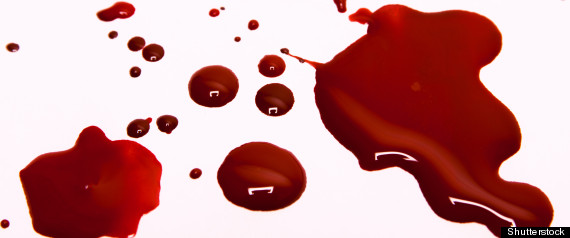
Iconography is the objects that create meaning to the scene which allows the audience make assumptions about the character or the location. Examples of iconography used in thriller films include: guns, knives, phone, money, drugs and blood. The denotation of these objects connote danger and thrill for the audience as they symbolise death.

ICONOGRAPHY EXAMPLE:


Blood
Knife


Gun


Money
Iconography is dependent on a sub-genre as the objects used in a film cannot be selected unless the sub-genre is decided as different sub-genre require different iconography. For example, a crime-thriller will use the iconography of gun, blood and money as the theme of conspiracy and death would be demonstrated in the movie.


Face Off analysis:


From this scene it's noticeable that one important iconography is the metallic shoes that the character is wearing which suggest that he is trapped and segregated. Also another main iconography is the newspaper which makes the character seen intelligent and educated, also he use the newspaper to cover his face which could refer that he is trying to cover his identity which build a sense of mysteriousness on him. Lastly, even the use of the iconography of the ring play an important role. This indicates that the antagonist is leaving a better and rich life of the protagonist as they changed their faces, which makes the audience feel sympathy for the protagonist as he is imprisoned in this warehouse.


Conclusion:
This research was useful to my understanding as I now know how to use iconography and setting professionally. For my opening thriller I will be using different iconography such as blood, knife, and money which will be located, probably, in a warehouse to create a sense of mysteriousness and suspense to the audience. However the plot might have some changes.

Research: Mise en Scene: Body language & Facial expression - Mrs. Quinlan

Why is Body language and Facial expression important?

Body language and Facial expressions are part of the Mise En Scene. They are really important aspects because they shows the spectators the true nature of the character. Body language is the way in which bodies communicate which is important because it shows the character's representation, so the audience will understand how the character is demonstrated such as vulnerable, determinant or submitted. Moreover, Facial expressions are important because it tell us a lot about character, situations and subtext. It's important to recognize them as they reveal about emotions and moods which also create meaning in the scene. A Facial expression conveys an emotion that instruct us about the character and they way they react to the situation. it may also tell us something about the situation when something happens to the character which convey his true feelings or, perhaps, it may reveal a subtext or deeper meaning that contradicts what they say or do in the scene.


Body Language and Facial expression in thriller movie:

In Thriller movie there always be character such as protagonist, antagonist and female in distress. The protagonist is always represented as clever, agile, attractive and superior to fight the villeins and rescue the female victim. The antagonist is usually demonstrated as a psychopath that will harm innocent people and cause trouble into the society. Lastly, the female victim will be portrayed as vulnerable and pure, and typically falling in love with the protagonist. Similarly, Facial expression in thriller movie plays a big role in the scene, as the audience will emphasizes the emotions and feelings of the type  of characters such as protagonist, antagonist, damsel in distress and anti-hero. The protagonist is typically seen serious and focus on what he is doing such research and investigation, whereas the antagonist is known for making plan to cause trouble into society and harm civilians.


These are some example of facial expression and body language of different characters representation:


                                                                                                       (THE TRANSPORTER MOVIE) 

                                                                                                        PROTAGONIST:


In these two images we can see the facial expression and body language of the protagonist. His facial expression is determinate and focused, but not too rough as he need to be approachable and kind so the audience can sympathize him. The protagonist is good looking and has a welcoming facial expression, thus the audience will now that he has good intentions. In addition, from his facial expression we can infer that he is ready for action, which can be justified by his steady and serious look. When it comes to the body language, the audience can immediately assume that the protagonist is ready to fight villains. His confident posture with his shoulders firms allows the viewer have faith on him to defeat the antagonist and win thee battle, which is conventional for a thriller movie.


(THE PURGE MOVIE)ANTAGONIST:
In these two images the body language and facial expression of the antagonist are presented. His wicked smile displays his mocking nature, making the audience feel insecure as the antagonist looks mysterious and have something to hide. His self-assured facial expression and disgusting grin represents his corrupted persona and arrogance, which is conventional; to a thriller movie as the antagonist is loathed. In the other hand, the antagonist might be smiling because he has found something that will benefit himself and cause problems in society, or perhaps he is trying to persuade someone to do something. Furthermore, from his body language we can infer that he is dominant and powerful as he looks that he is screaming and threatening someone, making the audience feel intimidate as he is holding a gun. This is conventional to a thriller movie because it demonstrate that the antagonist is independent and ready to do anything to kill anyone who will interrupt him.


(SCREAM MOVIE)
VICTIM:

In these still frame it;s noticeable that the body language and facial expressions of the female victim are shown. From her facial expression the audience can assume that she is in distress and terrified as she looks like she is going to cry, which makes the audience feel pity for her. Also from her facial expression of her closed eyes and open mouth, we can deduce that she does not want to face the situation she is in, so she screams in need of a saviour. This build a sense of frustration to the viewers as they are unable to help her. Additionally, from her body language, we can see that she is slouched, this is because she is looking for comfort as she is vulnerable and fragile. She looks like that she is hiding from the antagonist as she is exposed and helpless which makes the audience feel sorry for her. This is conventional for a thriller movie because it builds a sense of anxiety and pity for the female victim.


THE BOURNE IDENTITY ANALYSIS:


From this scene it's noticeable that the protagonist's body language and facial expression are determinate. He shows to be really skilful and athletic to fight back the antagonist which makes the audience feel safe as the protagonist will win the battle. Also his facial expression are serious and motivated, which is conventional for a thriller movie so the audience will have faith onto him. However, we can see that even the antagonist is really agile, trying to harm the protagonist using a knife, as iconography, yet he can't stab the protagonist as he try, whereas the protagonist use a pen which is less harmful iconography but still manage to injure the antagonist without killing him. The facial expression of the antagonist look furious and desperate as he is unable to win the battle and fight back the protagonist, which is conventional to a thriller movie as the antagonist is weaker. This makes the audience reflect that as the protagonist has a big role to show the good deeds, he will not kill the antagonist and go against the law. Furthermore, we can see that a female character is introduced and from her facial expression we can see that she is confused and panicked, because the antagonist had picture and personal detailed of her, which cause her to question and demanding how the villain had these personal detail. Also her body language is fragile and vulnerable, this is why the protagonist is there to protect her, which makes the audience feel secure that she won't be hurt or injured. This is conventional to an action-thriller movie as the theme of violence is presented.


Conclusion:


From this beneficial research, I will be more responsible that the characters for my opening thriller will be suitable for my plot, to make the sequence seen creative and professional,  also to make the audience see that the character's body language and facial expression are believable and conventional. My protagonist's body language will be determinate and skilful so the audience will have faith onto him, he will also be muscular and tall. His facial expression will be happy and focused.Whereas my antagonist, will be still muscular and determinate, but his facial expression will be wicked and angry. These are some conventions that I will portrays in my opening thriller.